

Insights & Resources
Stay informed with expert tips, career insights, study abroad guides, and updates on global opportunities.
Recent Blog Posts
Everything You Need to Know About the NCLEX Exam (Continued)
EMGS Team
24th oct, 2026
Passing the NCLEX is an important milestone, but it is not the end of the process for nurses planning to work abroad. You still need to understand how results are issued, what to do if you do not pass, and which licensing, employment, and immigration steps apply to your destination. Rules differ across the United States, Canada, and Australia. This second part focuses on what happens after the exam, helping internationally educated nurses plan without assuming one result settles every requirement.
Everything You Need to Know About the NCLEX Exam
EMGS Team
23rd oct, 2026
During a clinical shift, nurses assess patients, review vital signs, and use the information available to decide what care is needed. The NCLEX tests that same kind of clinical judgment through examination questions, asking candidates to identify the safest and most appropriate response. The National Council Licensure Examination (NCLEX) helps nursing regulators determine whether candidates have the knowledge and judgment required for entry-level nursing practice. For internationally educated nurses planning to work abroad, understanding the examination, eligibility requirements, registration process, and costs can help them plan their next steps more confidently.
All Blog Posts

EMGS Relocation Loan: Move Abroad Without Financial Stress
EMGS Team
26th oct, 2026
“Look before you leap” is sensible advice, especially when the leap involves moving to another country. You can plan for the flight, prepare your documents, and calculate your major expenses, only to discover that getting settled requires a second budget you never knew you needed. Apparently, arriving is one expense; actually living there is another. You may have saved for your flight, paid your application fees, and arranged your visa. Then accommodation demands a deposit and advance rent. You need transport from the airport, groceries for the first few days, a local SIM card, and a few essentials your suitcase could not accommodate. Suddenly, the money you thought would see you through the move looks considerably smaller. This does not always mean you planned badly. Relocation involves several moving parts, and some costs become clear only as departure approaches or after arrival. Understanding the full financial picture can help you prepare more realistically. If a necessary expense leaves a funding gap, the EMGS Relocation Loan is one service you can inquire about.
Everything You Need to Know About the NCLEX Exam (Continued)
EMGS Team
24th oct, 2026
Passing the NCLEX is an important milestone, but it is not the end of the process for nurses planning to work abroad. You still need to understand how results are issued, what to do if you do not pass, and which licensing, employment, and immigration steps apply to your destination. Rules differ across the United States, Canada, and Australia. This second part focuses on what happens after the exam, helping internationally educated nurses plan without assuming one result settles every requirement.
Everything You Need to Know About the NCLEX Exam
EMGS Team
23rd oct, 2026
During a clinical shift, nurses assess patients, review vital signs, and use the information available to decide what care is needed. The NCLEX tests that same kind of clinical judgment through examination questions, asking candidates to identify the safest and most appropriate response. The National Council Licensure Examination (NCLEX) helps nursing regulators determine whether candidates have the knowledge and judgment required for entry-level nursing practice. For internationally educated nurses planning to work abroad, understanding the examination, eligibility requirements, registration process, and costs can help them plan their next steps more confidently.
Why Migrants Need to Start Thinking About “What If I Have to Leave?” Before They Relocate
EMGS Team
23rd oct, 2026
Most people plan their migration around one outcome: getting abroad and building a better life. But what happens if the job ends, the visa is not renewed, a family emergency changes everything, or staying becomes financially unsustainable? Thinking about these possibilities before relocating is not pessimism. For healthcare professionals investing heavily in an international career, it is part of building a migration plan that can withstand uncertainty.
The New Financial Risk of Building a Life Around a Temporary Visa
EMGS Team
23rd oct, 2026
A good salary, a rented apartment, a car on finance and regular money sent home can make life abroad feel settled. But when your right to remain in the country depends on a temporary visa, the financial stability you are building may be more fragile than it appears.

Why Are New Immigrants Choosing Edmonton, Canada? (Continued)
EMGS Team
23rd oct, 2026
In our first piece, we explored why Edmonton attracts newcomers, from housing costs and employment possibilities to climate and community life. Those advantages matter, but do they remain as appealing when you consider the practical work of finding a job, securing suitable housing, getting around, and establishing a stable life? Edmonton can be a good fit, but the answer depends on your occupation, finances, location, and immigration options. This follow-up looks at the trade-offs behind the decision, so you can assess the city against your own circumstances rather than relying on a general picture of life in Alberta.
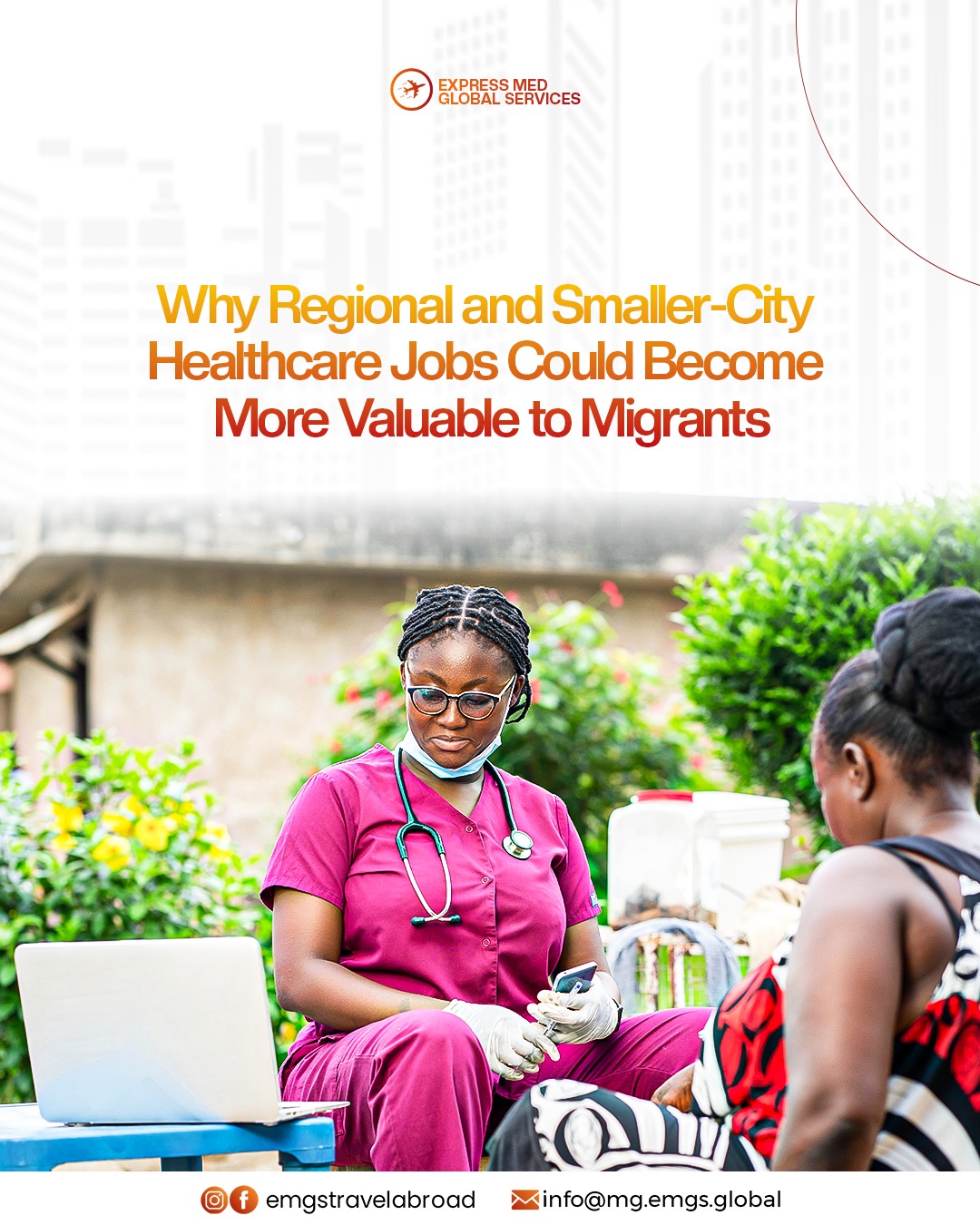
Why Regional and Smaller-City Healthcare Jobs Could Become More Valuable to Migrants
EMGS Team
22nd oct, 2026
When healthcare professionals imagine working abroad, they often picture major cities like London, Toronto, Sydney or New York. But some of the most interesting opportunities may increasingly be found outside these popular destinations. Smaller cities and regional communities often face difficulties attracting healthcare workers, creating opportunities for international professionals willing to consider less familiar locations. Beyond employment, these jobs may offer financial, professional and, in certain countries, immigration advantages that make them worth a closer look.
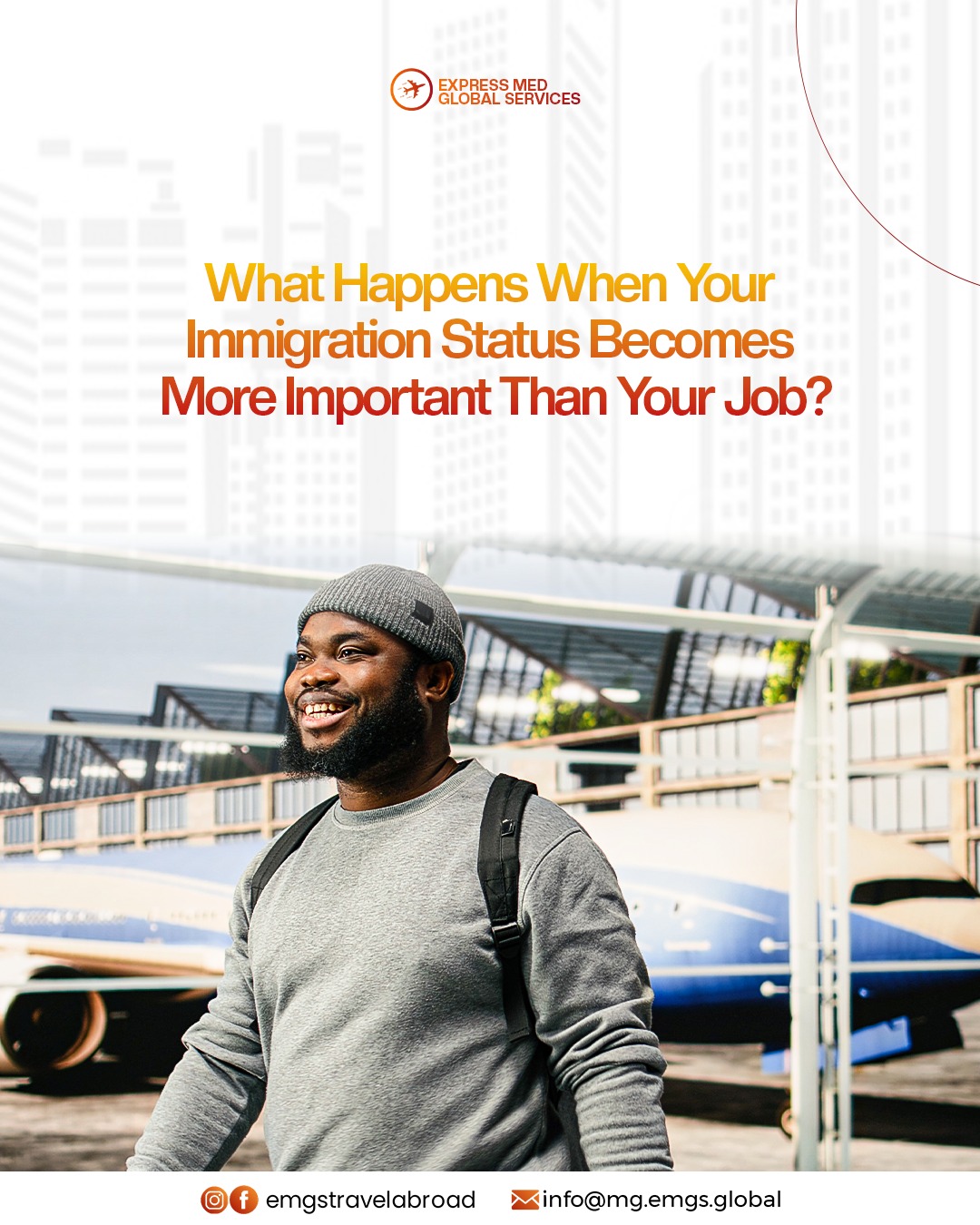
What Happens When Your Immigration Status Becomes More Important Than Your Job?
EMGS Team
22nd oct, 2026
Getting an overseas healthcare job is a major achievement, but for some migrants, keeping their immigration status becomes an even bigger concern than keeping the job itself. When the right to remain in a country depends on employment, decisions about changing jobs, negotiating salaries or leaving an unhealthy workplace become complicated. Understanding this relationship is essential for healthcare professionals who want to build careers abroad without feeling permanently trapped by their visa conditions.

Why Are New Immigrants Choosing Edmonton, Canada?
EMGS Team
21st oct, 2026
Canada's immigration conversation has become increasingly complicated. Online, newcomers describe sending out hundreds of job applications, struggling with rent, and questioning whether moving abroad was worth the expense. Yet Edmonton, Alberta's capital, remains a city worth considering for people planning a new life in Canada. Why would prospective immigrants consider Edmonton when employment and living costs are major concerns across the country? The answer may lie in the balance between housing costs, the local economy, immigration opportunities, and everyday life. These factors make Edmonton worth investigating, although they do not prove why every newcomer chooses the city. For African readers considering Canada, understanding both its attractions and limitations is a better starting point than relying on online success stories or warnings alone.
Previous
1
2
...
77
78
Next