
EMGS Team
18th feb, 2026
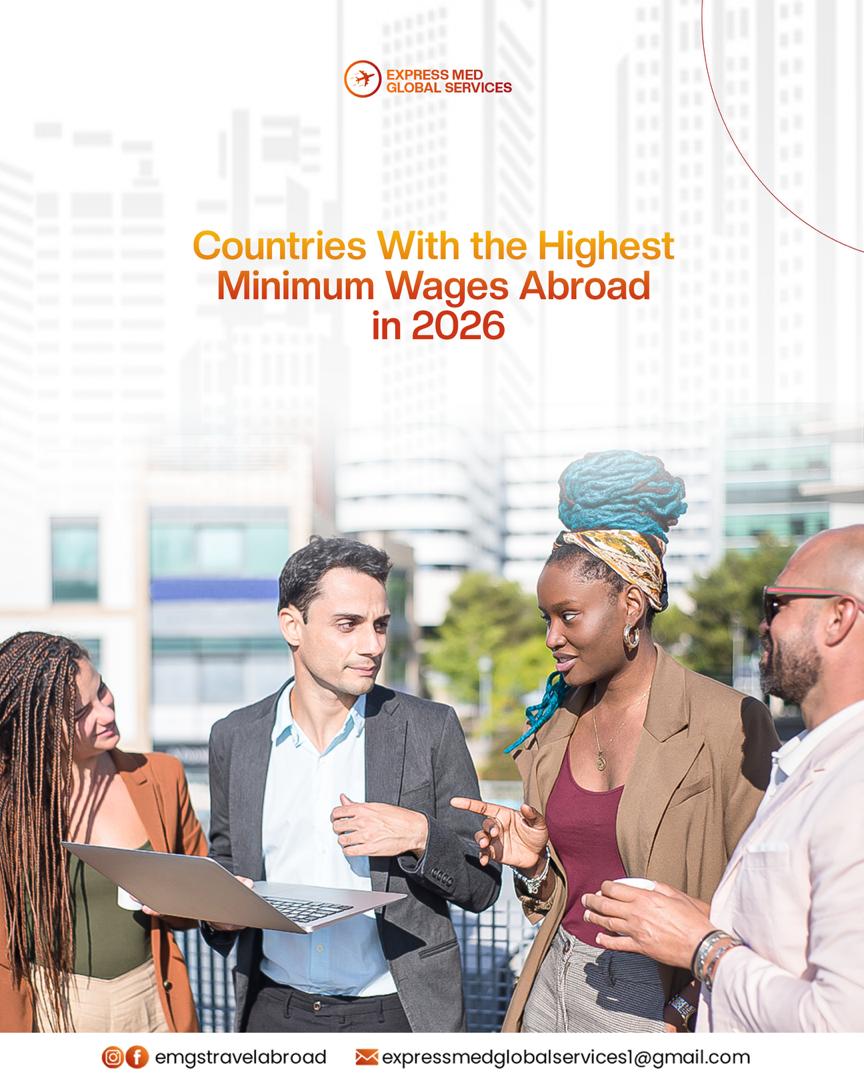
Countries With the Highest Minimum Wages Abroad in 2026
High minimum wages abroad look attractive, but they rarely tell the full story
Understanding Minimum Wage in a Migration Context
Minimum wage is the legally mandated lowest hourly or monthly pay that employers can offer workers in a given country. In theory, it protects low wage workers and ensures a basic standard of living. For migrants, the reality is more nuanced. Important considerations include: - Degrees and skills matter Many migrants do not work in minimum wage roles, especially healthcare professionals and other skilled workers. - Wages are only one factor Cost of living, taxes, healthcare, housing, and licensing costs can significantly offset high wage figures. - Minimum wage varies regionally Even within the same country, pay differs by state, province, or city. - Exchange rates influence real earnings Strong currencies may look attractive but purchasing power matters more than nominal income. Minimum wage data is useful, but it must be evaluated alongside broader quality of life and career progression factors.
Countries With the Highest Minimum Wages in 2026
Below are countries known for relatively high minimum wage standards in 2026, presented with context rather than figures alone. Luxembourg Why it is on the list Luxembourg has the highest minimum wage in Europe and globally, estimated at about €2,704 gross monthly for unskilled adults aged 18 and above, with higher rates for qualified or skilled workers. What it means for migrants - Strong social safety nets - Very high cost of living, especially housing - Attractive for dual income households Key considerations Licensing and language requirements including Luxembourgish, French, or German can be barriers in some professions. Australia Why it is on the list Australia offers one of the highest statutory minimum wages globally, estimated at about AUD 24.95 per hour, roughly AUD 2,742 monthly equivalent, with annual adjustments. What it means for migrants - Reliable baseline income - Competitive job market for healthcare and skilled professionals - Mandatory licensing or qualification recognition Key considerations Minimum wage applies mostly to entry level roles. Industry award systems often determine higher pay rates. Belgium Why it is on the list Belgium maintains a strong minimum wage estimated at about €2,154 gross monthly, supported by robust worker protections and social benefits. What it means for migrants - Strong social welfare systems - Multilingual environments in urban areas - Structured employment protections Key considerations Housing and general living costs in major cities can be high. Licensing is required for regulated professions. Netherlands Why it is on the list The Netherlands has a high minimum wage estimated at about €2,295 gross monthly equivalent or €14.71 hourly for adults aged 21 and above. What it means for migrants - Strong public services - Mixed opportunities for healthcare professionals - Well-regulated employment structures Key considerations Taxes and housing costs significantly affect real income. Dutch language proficiency is often required for professional roles. France Why it is on the list France’s minimum wage, known as the SMIC, remains one of the highest in the European Union at about €1,823 gross monthly. What it means for migrants - Extensive healthcare and social support systems - Structured work life balance - Strong worker protections Key considerations French language proficiency and professional licensing strongly influence access to skilled roles.
Why High Minimum Wages Are Not Always Better for Migrants
High minimum wage figures can create an illusion of easy success. Countries with high wage floors often also have high costs and strong regulatory environments. High Cost of Living Countries with high minimum wages often involve: - Expensive rent and utilities - Higher taxation - Elevated transport and healthcare costs Purchasing power may be lower than expected despite higher earnings. Licensing and Professional Recognition Many high wage countries require: - Local professional examinations - Licensing or registration - Verified work experience or bridging programs For healthcare professionals, this can mean additional time and financial investment before reaching full earning potential. Migrant Competition High minimum wages attract global applicants. Competition for entry level roles increases, and these roles may not align with long term career goals or professional qualifications.
What African Professionals Should Consider Beyond Minimum Wage
Before choosing a destination based on wage figures alone, consider: - Professional demand Is your profession listed as a shortage or priority role? - Licensing pathway What exams, assessments, or registrations are required? - Cost of living and savings potential Can you realistically save after meeting basic expenses? - Work rights and visa flexibility Can you change employers or progress professionally? - Language and cultural adaptation Are local language skills required for work and daily life? Effective migration planning balances income, stability, and long-term growth.
The EMGS Perspective
At Express Medical Global Services, we encourage African healthcare professionals and skilled migrants to look beyond headline wage figures. High minimum wages are attractive, but they do not automatically translate into migration success. We help clients to: - Evaluate how wage standards align with professional goals - Assess realistic earning potential after licensing - Plan migration based on long-term career trajectories - Understand how cost of living and legal status affect quality of life True migration success combines income, purpose, and stability.
Conclusion
Countries with some of the highest minimum wages in 2026 can appear enticing, but minimum wage alone is not a reliable migration determinant. For African professionals, especially healthcare workers, sustainable success comes from aligning skills with demand, navigating licensing requirements, and balancing income with living costs and future opportunities. A high wage floor should inform your decision, but it should never define it. Visa Application: +234 913 858 9678 CV and Support Letters: +234 905 672 3938 Job Application: +234 904 755 2504 NB: You can purchase EMGS travel and migration services here. You can also refer others and earn generously. Contact us today to begin your relocation journey.
Similar Reads
Why burnout abroad feels different from burnout back home
24th feb, 2026
EU Migration and Asylum Strategy for 2026: Safe Country Lists and Enhanced Return Powers Shaping Europe’s Borders
23rd feb, 2026
Canada’s 2026 Express Entry Talent Prioritization: A New Era for Skilled Migrants
23rd feb, 2026
Why burnout abroad feels different from burnout back home
EMGS Team
24th feb, 2026
Burnout doesn’t disappear after relocation — it simply changes form. Many African health workers abroad find themselves exhausted in ways that feel more psychological than physical. This article explores why burnout in structured, high-accountability systems feels different from burnout back home, and how identity shifts, performance pressure, and expanded responsibilities quietly shape the experience.
EU Migration and Asylum Strategy for 2026: Safe Country Lists and Enhanced Return Powers Shaping Europe’s Borders
EMGS Team
23rd feb, 2026
Europe’s asylum landscape is changing fast in 2026.
Canada’s 2026 Express Entry Talent Prioritization: A New Era for Skilled Migrants
EMGS Team
23rd feb, 2026
Canada is no longer inviting the highest scorers alone