
EMGS Team
23rd jul, 2026
0 reads
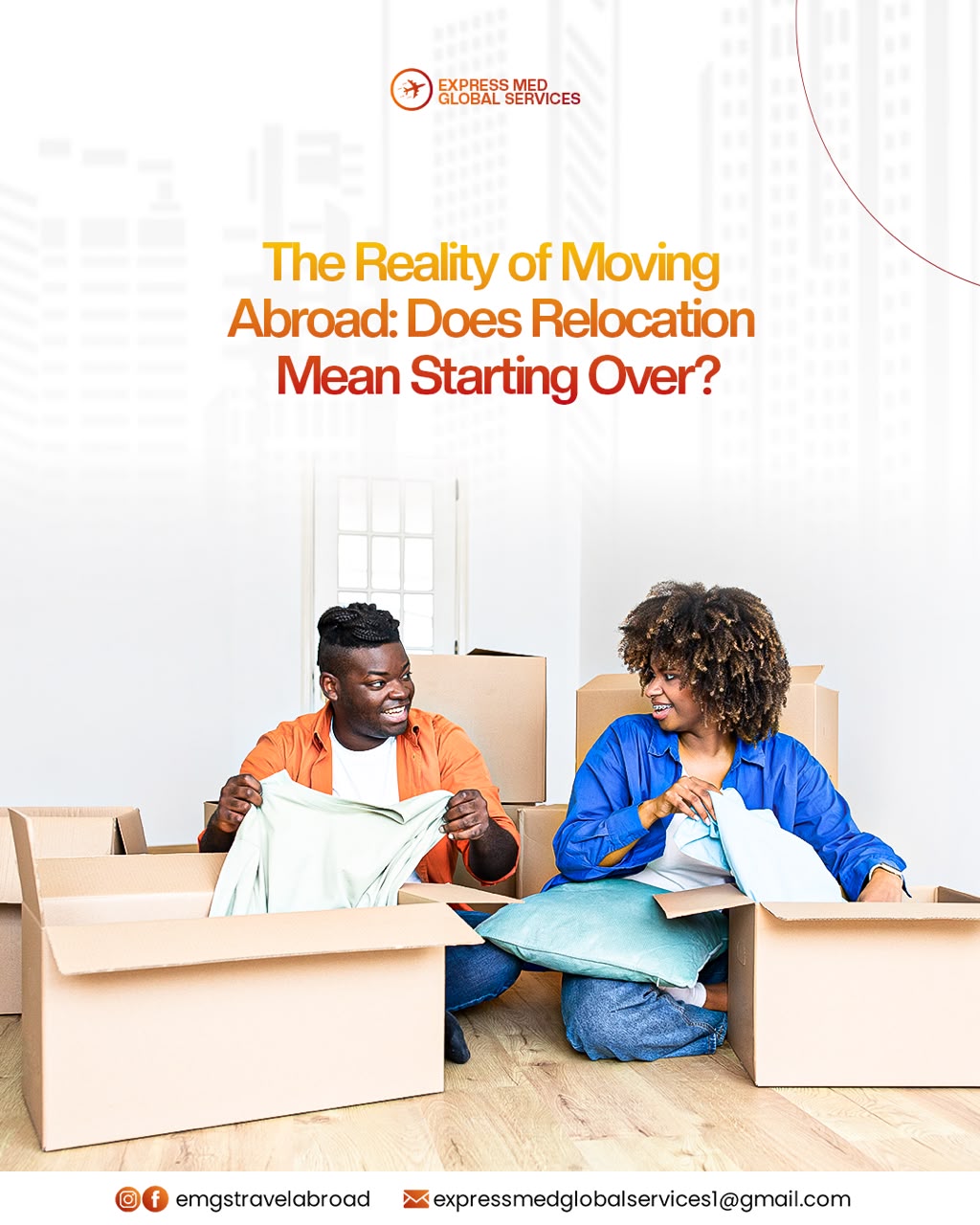
The Reality of Moving Abroad: Does Relocation Mean Starting Over?
One of the biggest fears people have about moving abroad isn't about visas alone. It is the fear of losing everything they have spent years building.
The career. The reputation. The professional network. The confidence that comes from knowing how things work.
Many prospective migrants ask the same question: "Will I have to start all over again?"
The honest answer is more complicated than a simple yes or no.
For some people, relocation feels like pressing the reset button. They arrive in a new country and discover that employers expect local experience, professional licensing may be required, and the network they spent years building no longer exists.
At the same time, they are not truly starting from zero. Their education, work experience and technical skills still matter. Their discipline, and professional maturity do not disappear simply because they crossed a border.
Understanding what actually changes after relocation and what does not, can help migrants prepare more realistically and make better long-term decisions.
Why Many People Feel Like They Are Starting Again
Moving to another country often means entering a completely different professional and social environment.
The workplace culture may be different. Recruitment processes may be unfamiliar. Employers may expect local references, industry knowledge, or communication styles that differ from those in your home country.
Even experienced professionals can feel like beginners during this adjustment period.
A nurse may need professional registration before practicing. An engineer, accountant, teacher, or other regulated professional may need credential assessment, qualification recognition, registration, or licensing depending on the destination country and profession.
These experiences can create the feeling of starting over, even though the person's knowledge and abilities remain intact.
What Actually Resets After Relocation
Certain aspects of your professional life genuinely do reset.
Your local professional network is often one of the first things you lose. Colleagues, clients, mentors, and industry contacts who once opened doors may no longer be able to help in your new country.
Your professional reputation may also need to be rebuilt. Employers who have never worked with you cannot automatically recognise your previous achievements.
You may also need to become familiar with new workplace expectations, employment laws, professional standards, and industry practices.
These are genuine challenges. However, they are not the same as losing your career.
They are part of adapting your career to a different environment.
What Does Not Reset
Although relocation changes many things, it does not erase your professional history.
The years you spent developing your expertise still exist. The problems you solved in previous roles still count.
Your ability to communicate, lead teams, manage projects, analyze information, or provide professional services does not disappear because you moved abroad.
Many skills transfer remarkably well across countries. Problem-solving, critical thinking, leadership, time management, professional ethics, adaptability.
Migration changes the environment where you apply your skills, not the skills themselves.
Why Some Professionals Progress Faster Than Others
One reason some migrants rebuild their careers more quickly is that they understand they are adapting rather than starting from scratch.
Instead of trying to recreate their previous career immediately, they focus on learning the new system. They improve their language skills where necessary, build local networks, and pursue additional certifications if required.
Most importantly, they recognize that their previous experience remains an asset while they gain local credibility.
This mindset often makes the transition smoother.
Some Professions Require More Adjustment Than Others
The experience of relocation varies considerably between professions.
Healthcare professionals frequently need registration before practising.
Teachers may require licensing or additional assessments.
Engineers, accountants, and other regulated professionals may need credential assessment, qualification recognition, registration, or licensing depending on the destination country.
By contrast, many technology professionals, researchers, digital specialists, and some business professionals may find that their experience transfers more directly, although employers still expect them to understand the local workplace.
The level of adjustment depends not only on the country but also on the profession itself.
Official guidance on the recognition of regulated professions can be found through the European Union: https://europa.eu/youreurope/citizens/work/professional-qualifications/index_en.htm
Starting Again Is Not Always a Step Back
Many migrants initially accept positions below the level they previously held.
This can feel discouraging. However, temporary career adjustments do not necessarily indicate permanent career decline.
A professional who accepts an entry point into a new labour market may progress rapidly once local experience has been established.
Many employers become more confident hiring or promoting professionals once they have demonstrated they can perform successfully within the local labour market.
The first role abroad is often exactly that: a first role.
It is not always the role that defines the rest of the career.
Preparing Before You Move Makes a Difference
The feeling of "starting over" can often be reduced through preparation.
Before relocating, consider:
- Researching professional licensing requirements.
- Improving language skills where necessary.
- Understanding the local labour market.
- Updating your CV to match destination-country expectations.
- Building professional connections online.
- Learning about workplace culture before arrival.
These steps cannot eliminate every challenge, but they can significantly shorten the adjustment period.
The Emotional Side of Starting Again
Relocation is not only a professional transition. It is also a personal one.
Many migrants compare themselves to friends or former colleagues who remained at home and continued progressing in familiar environments.
During the first few months abroad, it may feel as though life has slowed down. This feeling is common.
Building a new network, understanding unfamiliar systems, and adapting to a different society takes time.
Patience is often just as important as planning.
Many successful migrants eventually discover that what initially felt like starting over was actually laying the foundation for a different stage of their careers.
The OECD has also highlighted the importance of labour market integration and professional adaptation for internationally mobile workers: https://www.oecd.org/migration/
The EMGS Perspective
At Express Medical Global Services, we encourage applicants to approach migration with realistic expectations.
Relocation does involve adjustment, and some professionals may temporarily step outside their comfort zones while adapting to a new country.
However, relocation should not be viewed as losing everything you have built.
Your education, experience, skills, and professional discipline remain valuable assets.
The goal is not to begin life again from zero. The goal is to transfer those assets into a new environment where they can continue to grow.
Applicants who understand this often approach relocation with greater confidence, patience, and long-term perspective.
Conclusion
Moving abroad can feel like starting over, but in most cases, that is not what is actually happening.
Some things do reset. Professional networks, local reputation, familiar systems and workplace routines.
Other things like your knowledge, experience, skills and resilience, remain with you.
Successful migration is rarely about abandoning the life you built before.
It is about building the next stage of your life on the foundation you have already created.
The strongest migrants are not those who believe they are starting from nothing.
They are the ones who understand they are starting from experience.
Visa Application: +234 913 858 9678
CV and Support Letters: +234 905 672 3938
Job Application: +234 904 755 2504
NB: You can purchase EMGS travel and migration services here. You can also refer others and earn generously.
Contact us today to begin your relocation journey.
Enjoyed this post? Like & share the knowledge!
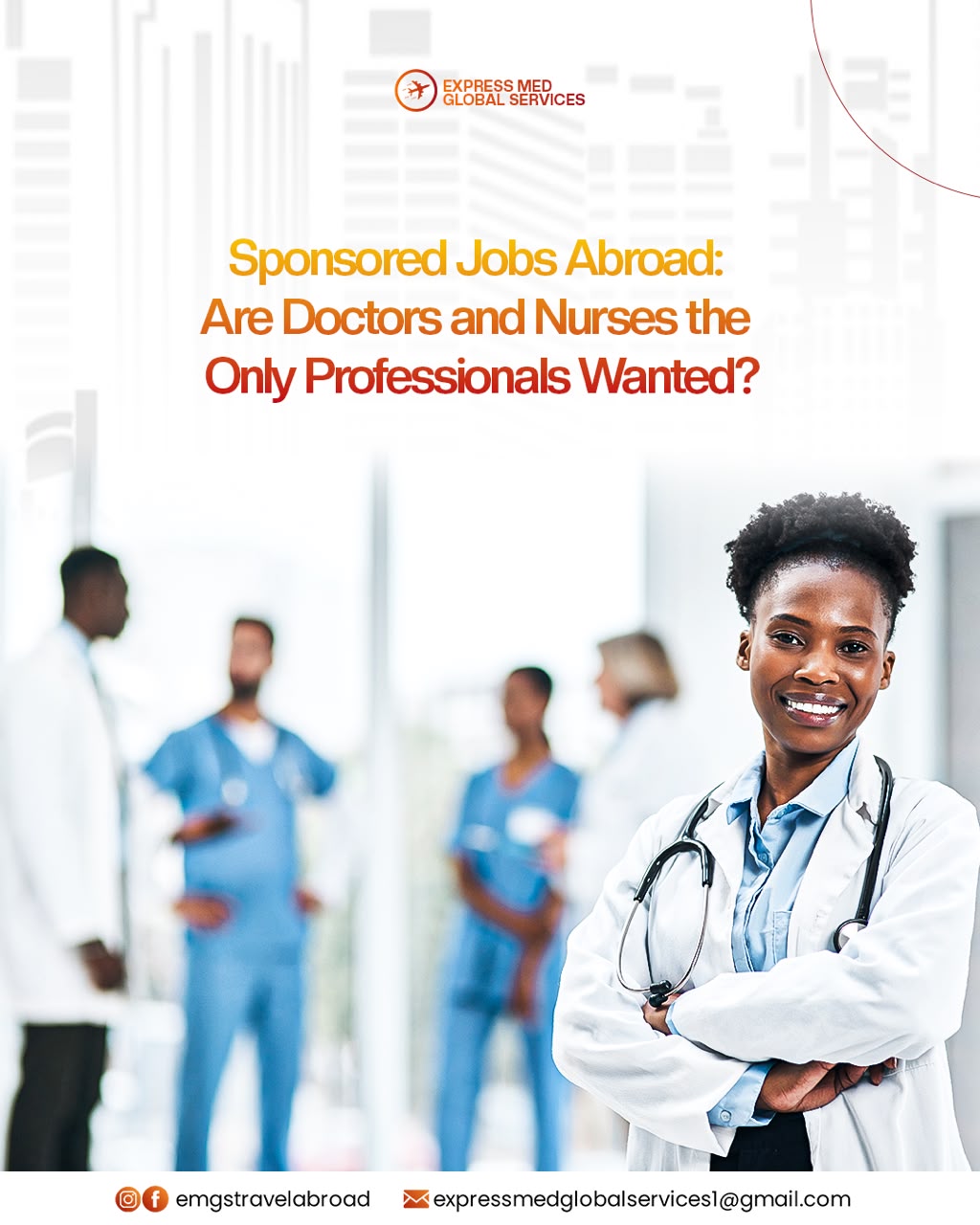
Sponsored Jobs Abroad: Are Doctors and Nurses the Only Professionals Wanted?
EMGS Team
22nd jul, 2026
Spend just a few minutes searching for visa-sponsored jobs abroad and you could easily reach the wrong conclusion. Doctors. Nurses. Care workers ... Scroll a little longer and it can begin to feel as though every employer willing to sponsor an international worker is recruiting from the healthcare sector. If you're an engineer, accountant, software developer, electrician, chef, teacher, or construction professional, you may start wondering whether you've chosen the wrong career for migration. The good news is that you probably haven't. Healthcare receives much of the attention because it has one of the world's most visible labour shortages. However, it is far from the only sector where employers recruit internationally. The real question is not whether sponsored jobs exist outside healthcare. The real question is whether your skills solve a problem that another country's labour market is trying to address. Understanding that difference can completely change the way you approach your migration journey.
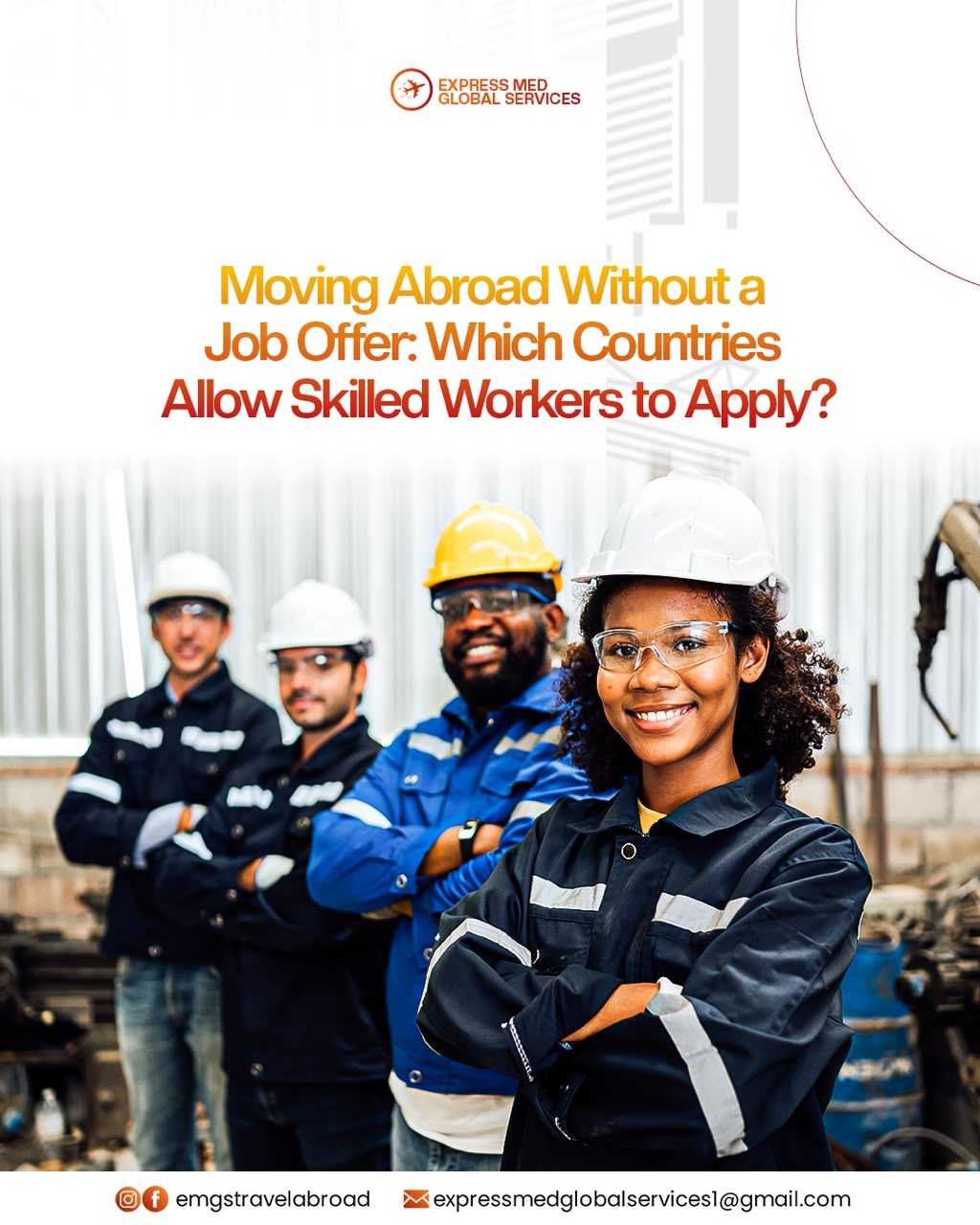
Moving Abroad Without a Job Offer: Which Countries Allow Skilled Workers to Apply?
EMGS Team
22nd jul, 2026
If you've been waiting for a job offer before taking your migration plans seriously, you may be waiting longer than necessary. Many skilled professionals believe international migration follows only one formula: get hired first, receive sponsorship, then relocate. That assumption is understandable because many of the world's best-known work visa programmes are employer sponsored. Spend enough time searching job boards, reading migration forums, or scrolling through social media, and it can begin to feel as though no employer means no opportunity. Several countries operate skilled migration pathways that allow eligible applicants to begin their immigration journey without first securing employment. Rather than asking, "Who has hired you?" , these programmes ask different questions. What qualifications do you have? How much skilled work experience have you gained? Can you communicate effectively in the country's language? Will your skills contribute to the economy over the long term? This does not mean you can arrive without a plan or expect employment to happen automatically. It simply means that for some skilled workers, migration can begin before the first employment contract is signed. Understanding how these pathways work can help you choose a strategy that matches your qualifications instead of assuming employer sponsorship is your only option.