
EMGS Team
9th jun, 2026
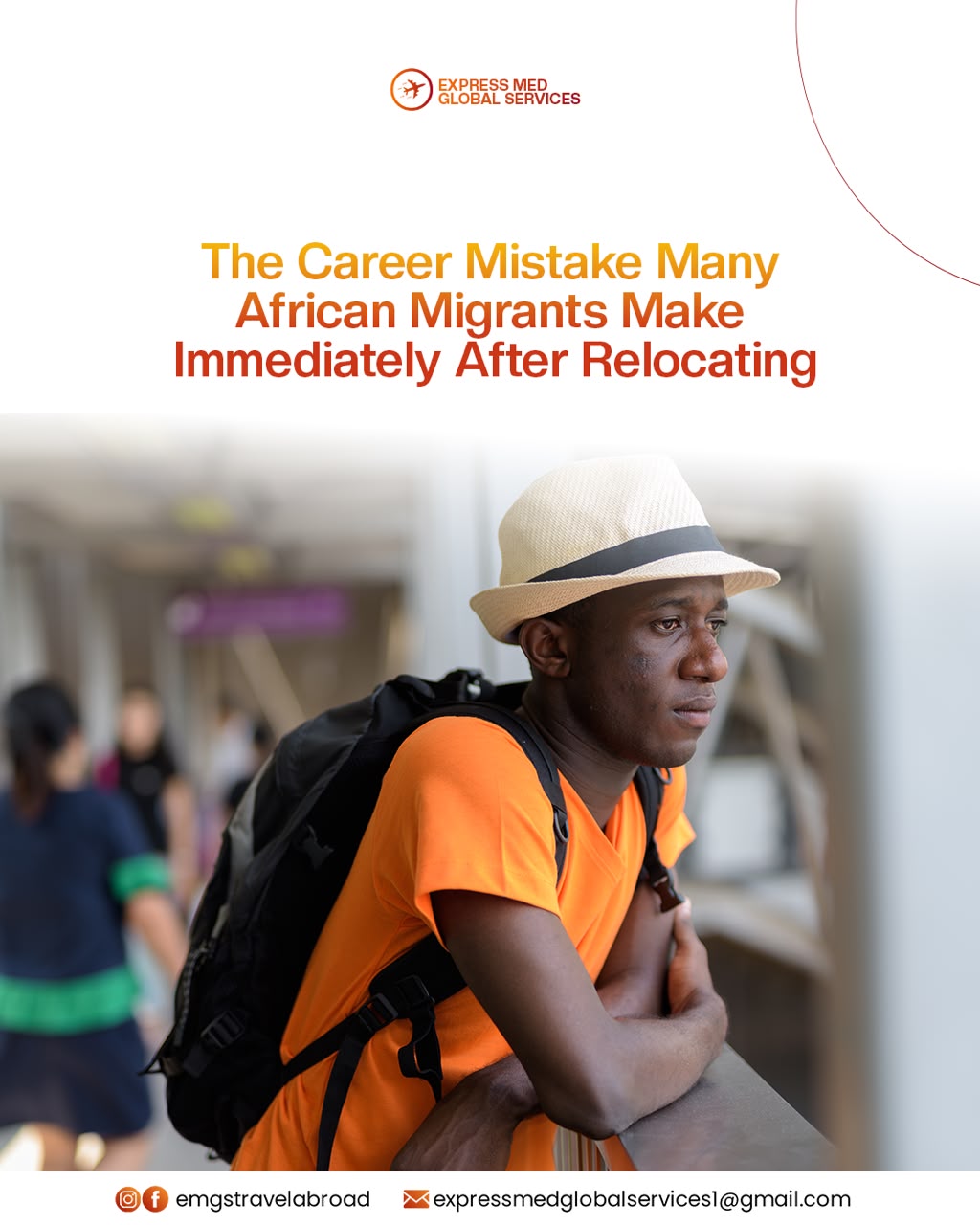
The Career Mistake Many African Migrants Make Immediately After Relocating
Many African migrants spend years planning their move abroad, only to stop actively planning their careers once they arrive. In the rush to settle, earn income, and support family back home, long-term professional growth often takes a back seat.
This article explores why that happens, the hidden cost of prioritising stability over career development, and how migrants can avoid getting stuck in roles that no longer align with their goals.
One of the biggest misconceptions many African migrants carry into their new country is the belief that the hardest part is getting there.
After months or years of preparing for exams, chasing visa approvals, gathering documents, paying application fees, attending interviews, and saying goodbye to family, relocation often feels like the finish line. The problem is that relocation is rarely the finish line. In many cases, it is simply the starting point.
This is where a costly career mistake begins.
Many African migrants arrive abroad and enter what can be described as survival mode. The focus becomes finding stability as quickly as possible. Pay the rent. Buy furniture. Settle the children. Get a car. Send money home. Recover the money spent on relocation.
All of these are understandable priorities.
The issue is that while many migrants are busy settling into their new lives, they unintentionally stop actively managing their careers.
Years later, some discover that although they successfully relocated, their professional growth has barely moved.
When stability becomes the only goal
For many Africans, especially healthcare professionals, relocation often comes with an immediate increase in income compared to what they earned back home.
That improvement can create a sense of relief.
For the first time in years, bills feel manageable. There is more financial breathing room. Family members back home begin to see signs that relocation was worth the sacrifice.
The danger is that comfort can quietly replace ambition.
A nurse who initially planned to specialise decides to postpone further training.
A healthcare assistant who hoped to transition into nursing keeps delaying university applications.
A doctor who intended to pursue a particular specialty becomes comfortable in a role that pays the bills.
A professional who once had a clear five-year vision starts focusing only on the next pay cheque.
None of these decisions feel significant in the moment. Yet over time, they accumulate.
Five years can pass surprisingly quickly.
The hidden cost of postponing career growth
Many migrants assume career development can wait until they are fully settled.
The challenge is that complete stability rarely arrives.
There is always another bill.
Another family responsibility.
Another financial target.
Another reason to postpone the next professional step.
What starts as a one-year delay often becomes three years. Then five.
Meanwhile, colleagues who arrived at the same time begin progressing into specialist roles, management positions, advanced certifications, higher-paying sectors, or entirely new careers.
The difference is not always talent.
Often, it is simply that they continued investing in their future while others focused exclusively on surviving the present.
Why this happens so often among Africans
Part of the answer lies in the migration journey itself.
Many Africans relocate after investing enormous amounts of money, energy, and emotional effort.
By the time they arrive, exhaustion is real.
Some have spent years preparing for licensing exams.
Others have sold assets, borrowed money, or relied on family support to fund their move.
After such an intense process, it is natural to want a period of rest.
The challenge is that migration creates a unique financial pressure that many people underestimate.
Back home, relatives often view relocation as an immediate success story.
Expectations begin almost immediately.
People need support.
School fees appear.
Medical bills emerge.
Family projects require contributions.
The migrant becomes responsible for building a life abroad while simultaneously helping sustain lives back home.
This creates a powerful incentive to prioritise immediate income over long-term career development.
The migrants who move ahead fastest
Interestingly, some of the migrants who experience the strongest career growth are not necessarily the highest earners during their first year abroad.
Instead, they often think differently.
They see their first job as a stepping stone rather than a destination.
While earning an income, they are also studying licensing requirements, researching career pathways, pursuing certifications, building professional networks, and identifying opportunities for advancement.
They understand that the first role they secure after relocation does not have to define the rest of their career.
Many of the Africans who later move into senior healthcare positions, leadership roles, specialised fields, consulting, education, business ownership, technology, or other industries started with ordinary entry-level jobs after arriving.
The difference was that they never stopped planning their next move.
The relocation trap nobody talks about
One of the ironies of migration is that people often become more cautious after relocating.
Back home, they took enormous risks.
They wrote difficult exams.
Applied for visas.
Moved across continents.
Started over in unfamiliar countries.
Yet once they arrive, many become reluctant to take career risks.
They stay in positions they have outgrown because the income feels safe.
They avoid additional training because it requires time and money.
They postpone career transitions because they fear disrupting the stability they worked so hard to achieve.
The very courage that helped them relocate sometimes disappears when it is needed most.
What this really comes down to
Relocation creates opportunities, but opportunities do not automatically become progress.
The career mistake many African migrants make immediately after relocating is assuming that reaching a new country guarantees professional growth.
In reality, growth still requires intention.
The migrants who tend to thrive over the long term are not always those who earn the most money during their first year abroad. They are often the ones who continue developing skills, expanding options, and planning for where they want to be five or ten years later.
Relocation can change your environment overnight.
Building the career you truly want usually takes much longer.
The question many migrants eventually face is not whether moving abroad was the right decision.
It is whether they used the opportunities that relocation created to build the future they originally imagined.
Contact Us, click on this link https://selar.co/m/Express_Global to purchase any of our services or visit our website https://emgs.global/ — we're just a click away.
For CV, Supporting Statement, and Cover Letter: Chat this customer care number: +234 905 672 3938
Enjoyed this post? Like & share the knowledge!
First-Time Travelers vs Return-Visa Applicants: Why Approval Rates and Scrutiny Are Very Different
EMGS Team
11th jun, 2026
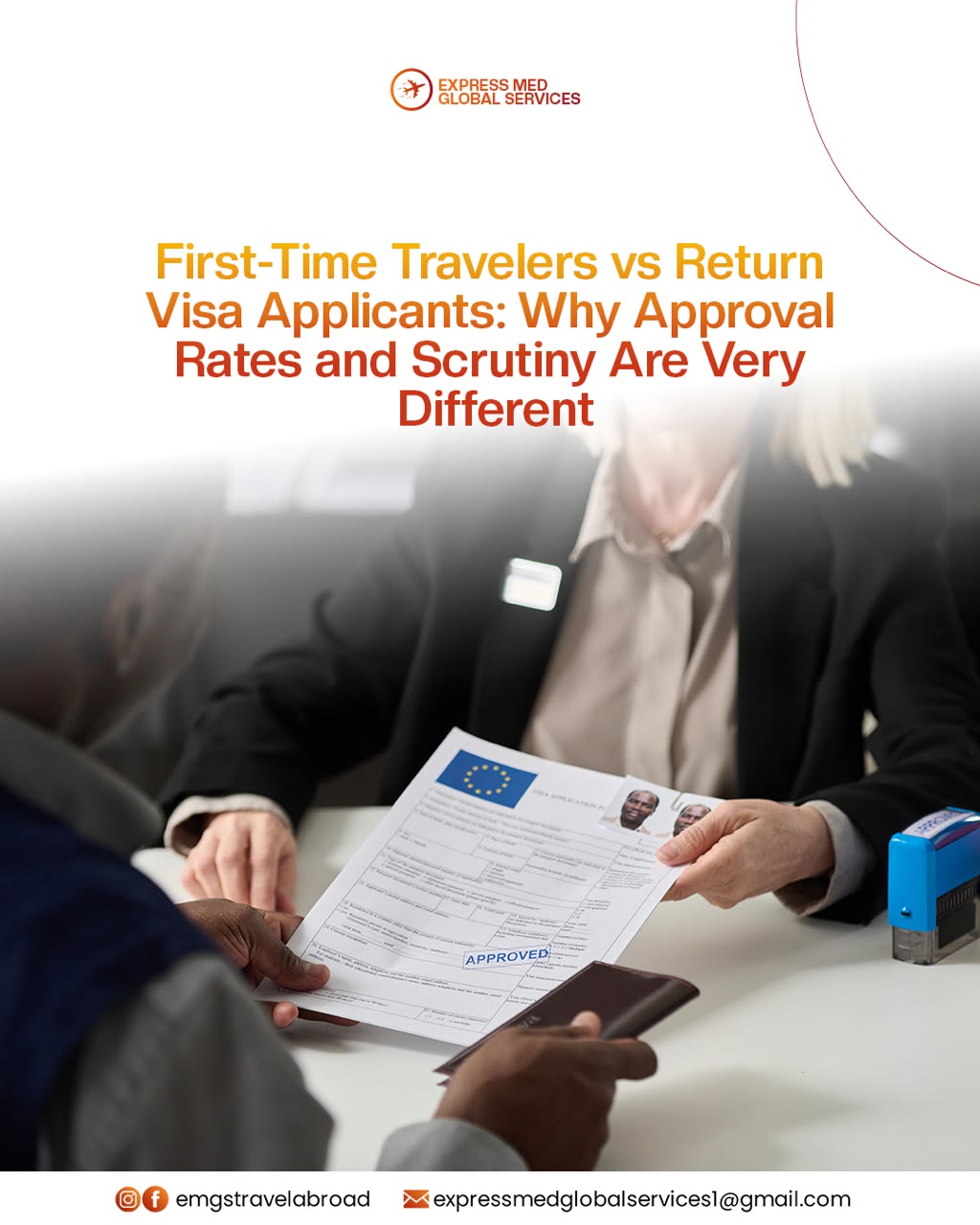
One of the most misunderstood realities in global migration is that visa approval is not applied equally across all applicants. Two people can submit the same documents, apply under the same visa category, and even meet the same eligibility requirements, yet experience completely different outcomes. A first-time applicant may face deeper scrutiny, more documentation checks, and stricter interpretation of intent. A return visa applicant may experience smoother processing, reduced questioning, and a higher level of institutional trust. This difference is not random. It is a structural feature of how immigration systems evaluate risk, credibility, and travel history over time, especially when comparing first-time travelers vs return visa applicants. Understanding this distinction is essential for anyone planning to study, work, or relocate abroad.
Why Some African Healthcare Workers Abroad Feel Guilty When They Visit Home
EMGS Team
9th jun, 2026
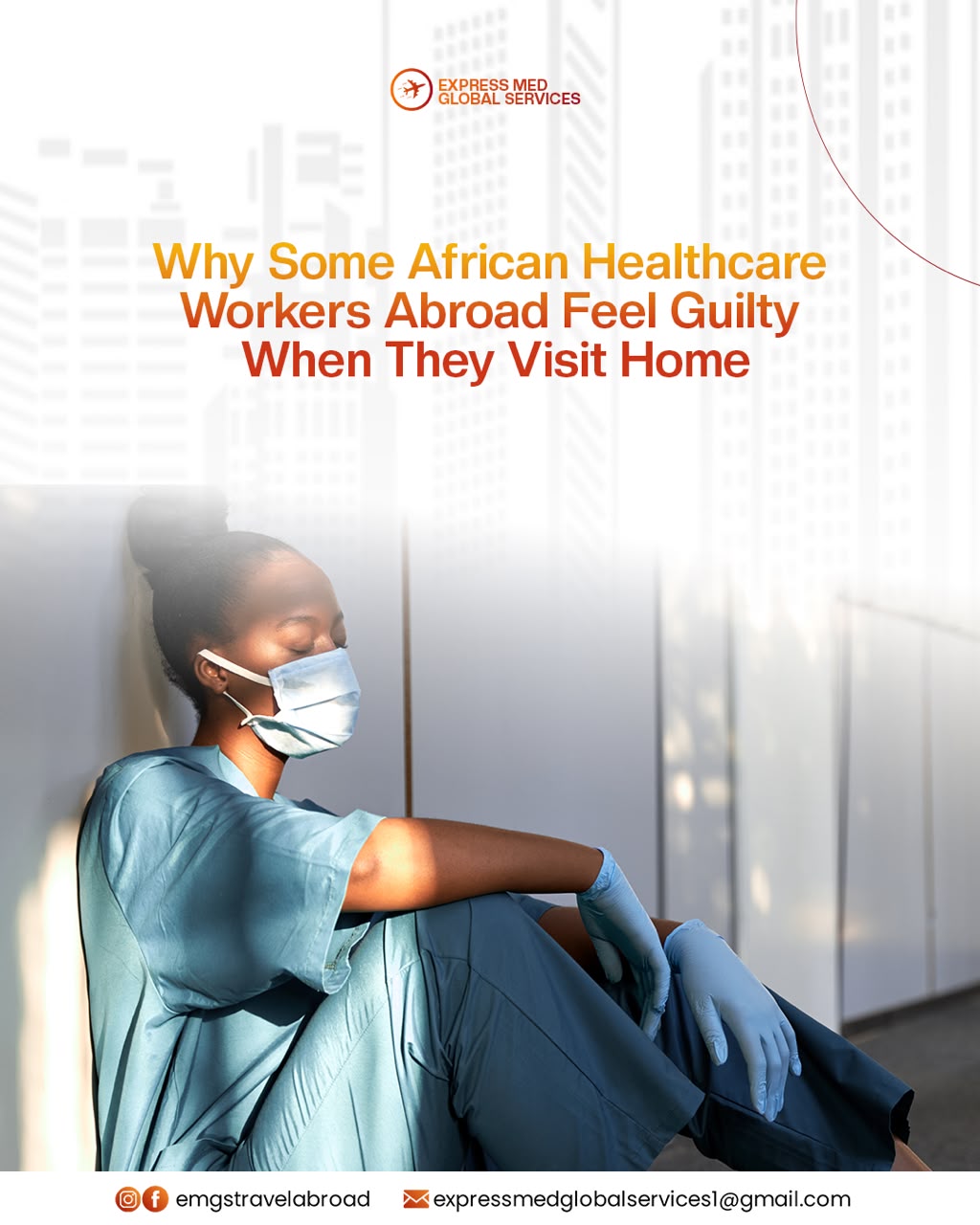
This article explores why some healthcare workers feel guilty when they return home, from witnessing family struggles up close and missing important life moments to navigating the complex reality of belonging to two worlds at once.