
EMGS Team
9th jun, 2026
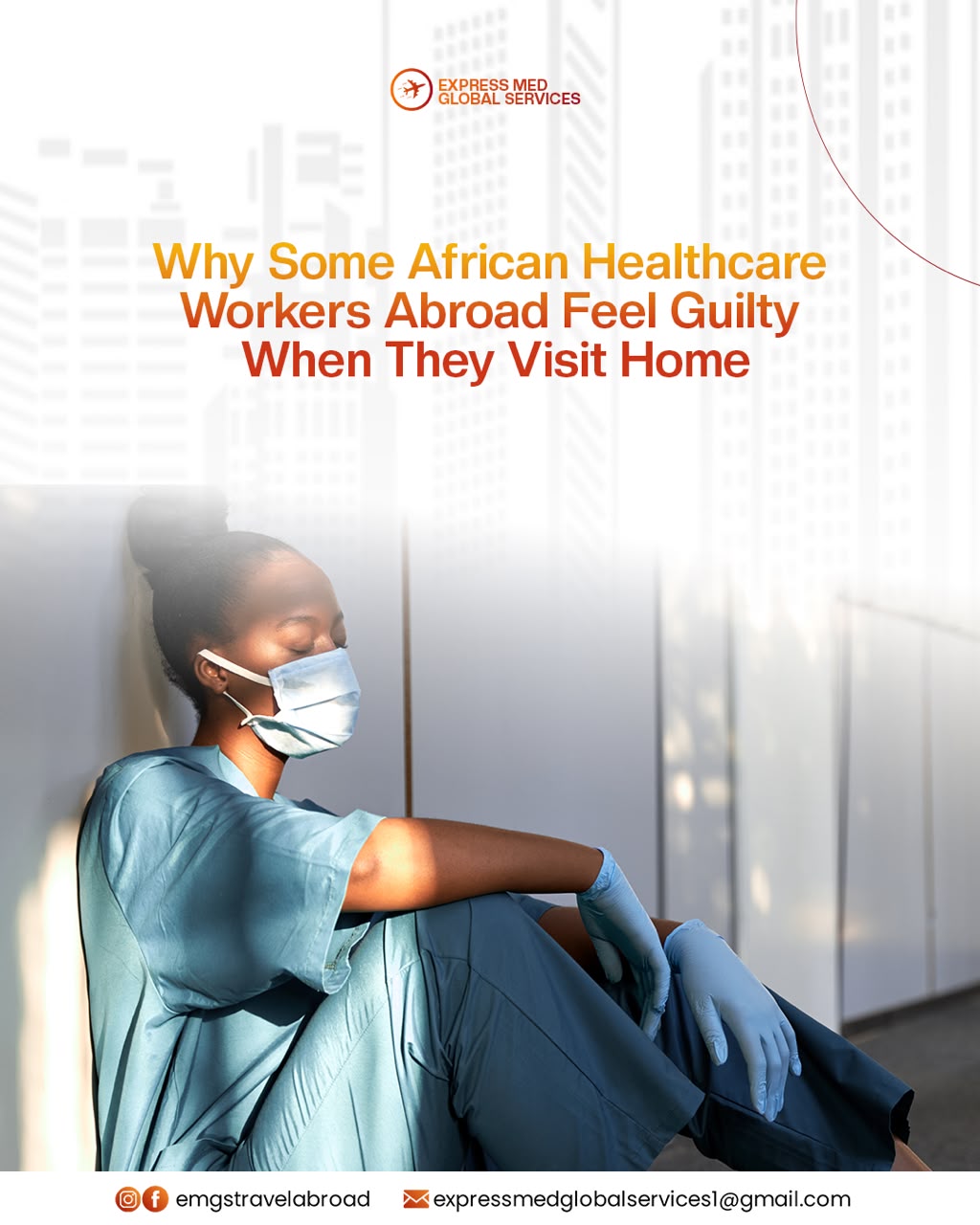
Why Some African Healthcare Workers Abroad Feel Guilty When They Visit Home
This article explores why some healthcare workers feel guilty when they return home, from witnessing family struggles up close and missing important life moments to navigating the complex reality of belonging to two worlds at once.
For many African healthcare workers, the first trip home after relocating abroad is something they look forward to for months.
Sometimes years.
There is the excitement of seeing family again. The anticipation of eating familiar food. The chance to reconnect with old friends, revisit favourite places, and spend time in environments that once felt ordinary but now carry a different meaning.
Before the trip, people often imagine it as a period of rest.
A chance to reset.
A chance to feel at home again.
Yet for many healthcare workers, the experience turns out to be more emotionally complicated than expected.
Because somewhere between the airport arrivals hall, family gatherings, and conversations with old friends, a feeling begins to emerge that catches many people by surprise.
Guilt.
Not necessarily because they did something wrong.
But because returning home often forces them to confront realities they have spent years trying to navigate from a distance.
The life you left behind doesn't stand still
One of the biggest surprises many migrants experience is realising how much can change while they are away.
When you live abroad, your understanding of home is often frozen in time.
You remember your younger sibling as a teenager.
You remember certain family members as healthy and active.
You remember old neighbourhoods the way they looked when you left.
Then you return and discover that life continued moving forward without you.
Parents have grown older.
Children have grown up.
Friends are dealing with challenges you knew nothing about.
Relatives are managing health concerns, financial pressures, or responsibilities that were not there when you left.
For many healthcare workers, this can trigger an uncomfortable question:
"Should I have been here more?"
Even when the answer is complicated, the feeling can be difficult to ignore.
Seeing hardship in person feels different from hearing about it
Most healthcare workers abroad regularly stay in touch with family.
They receive phone calls.
They get WhatsApp messages.
They send money when needed.
They try to remain involved despite the distance.
But there is a difference between hearing about a situation and witnessing it firsthand.
A parent may mention rising living costs during a phone call.
Seeing the daily impact of those costs in person feels different.
A sibling may casually talk about struggling to find work.
Watching that struggle up close creates a different emotional response.
A relative may mention delaying medical treatment because of financial constraints.
As a healthcare worker, seeing that reality can be particularly difficult.
Many people return abroad carrying emotions they were not expecting because the challenges they once viewed through messages and phone calls suddenly become tangible.
This is where many healthcare workers begin questioning their choices
Not because they regret migrating.
Most don't.
In fact, many know that relocating created opportunities that would have been difficult to access otherwise.
The conflict comes from something deeper.
The recognition that while their life has improved in some ways, the lives of people they care about may still be shaped by challenges they can no longer solve directly.
For healthcare workers especially, there can be a strong instinct to help.
Their profession is built around care.
Problem-solving.
Supporting others during difficult moments.
Returning home and seeing problems that cannot be fixed by a prescription, a shift, or a salary increase can create a sense of helplessness that many struggle to talk about openly.
The guilt is not always about money
People often assume that migrants feel guilty because they cannot provide enough financial support.
Sometimes that is part of it.
But for many healthcare workers, the guilt runs deeper than finances.
It can come from missing important family moments.
Missing birthdays.
Missing weddings.
Missing funerals.
Missing the small everyday experiences that quietly hold families together.
Many migrants discover that while technology helps them stay connected, it does not completely replace physical presence.
You can send money instantly.
You cannot always make up for lost time.
And that realisation can be emotionally difficult when visiting home.
At some point, many people notice they no longer fit perfectly into either world
This is another part of the experience that rarely gets discussed.
After several years abroad, many healthcare workers find that home still feels familiar but no longer feels exactly the same.
At the same time, the country they relocated to may feel comfortable but not entirely like home either.
Conversations with friends can feel different.
Perspectives have changed.
Priorities have shifted.
Experiences no longer match in the way they once did.
This can create a strange feeling of existing between two worlds.
You belong in both.
Yet sometimes you feel fully settled in neither.
For many migrants, this emotional tension becomes most noticeable during visits home.
What used to feel like success can become more complicated
Before relocating, success often seems easy to define.
Get the visa.
Pass the exams.
Secure the job.
Earn a better income.
Build a stable life.
But after a few years abroad, many healthcare workers realise that migration success is more complex than they initially imagined.
Professional progress can happen alongside personal sacrifices.
Financial growth can exist alongside emotional distance.
Career opportunities can come with missed family experiences.
The reality is rarely all good or all bad.
It is usually a mixture of gains and losses that coexist at the same time.
And visits home often bring that reality into sharper focus.
The feeling many migrants mistake for guilt
Interestingly, what many healthcare workers describe as guilt is sometimes something else entirely.
Grief.
Not grief in the traditional sense.
But grief for moments missed.
For versions of relationships that changed during their absence.
For the understanding that life continued moving forward while they were building a future elsewhere.
This does not mean migration was the wrong decision.
It simply means every major life choice comes with trade-offs.
Migration creates opportunities, but it also creates distance.
And sometimes those two realities become impossible to separate.
What this really comes down to
Many African healthcare workers expect their first trip home to be a celebration.
And often it is.
But it can also be a mirror.
A reminder of where they came from, what has changed, what has remained the same, and what migration has truly cost alongside what it has provided.
The guilt some people feel is rarely about regretting their decision to leave.
More often, it comes from recognising that success abroad does not remove the emotional connections that still tie them to home.
Because no matter how far a person travels, no matter how established they become overseas, there are some parts of home that continue to matter deeply.
And sometimes the hardest part of visiting home is realising that while you have changed, home has changed too.
Contact Us, click on this link https://selar.co/m/Express_Global to purchase any of our services or visit our website https://emgs.global/ — we're just a click away.
For CV, Supporting Statement, and Cover Letter: Chat this customer care number: +234 905 672 3938
Enjoyed this post? Like & share the knowledge!
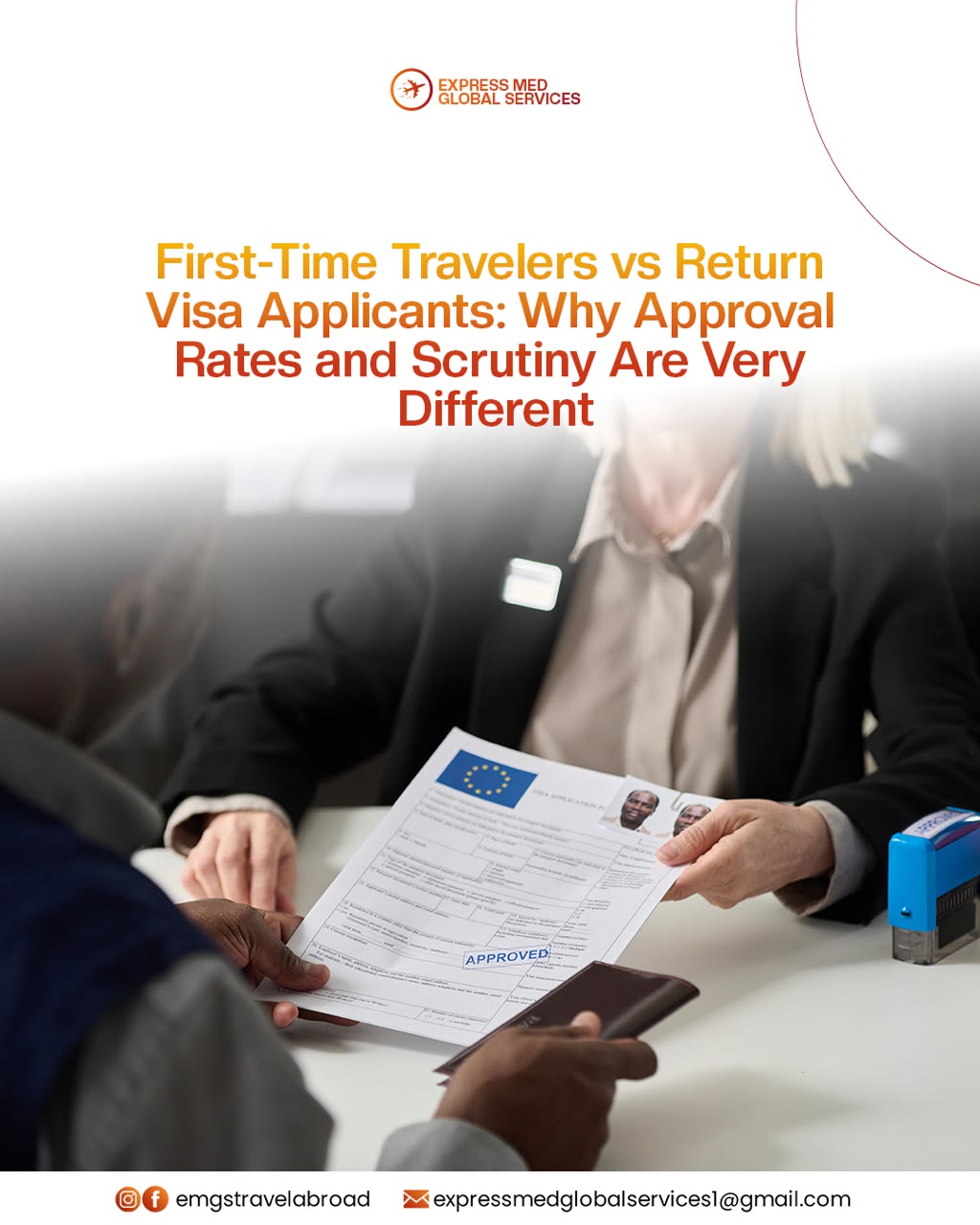
First-Time Travelers vs Return-Visa Applicants: Why Approval Rates and Scrutiny Are Very Different
EMGS Team
11th jun, 2026
One of the most misunderstood realities in global migration is that visa approval is not applied equally across all applicants. Two people can submit the same documents, apply under the same visa category, and even meet the same eligibility requirements, yet experience completely different outcomes. A first-time applicant may face deeper scrutiny, more documentation checks, and stricter interpretation of intent. A return visa applicant may experience smoother processing, reduced questioning, and a higher level of institutional trust. This difference is not random. It is a structural feature of how immigration systems evaluate risk, credibility, and travel history over time, especially when comparing first-time travelers vs return visa applicants. Understanding this distinction is essential for anyone planning to study, work, or relocate abroad.
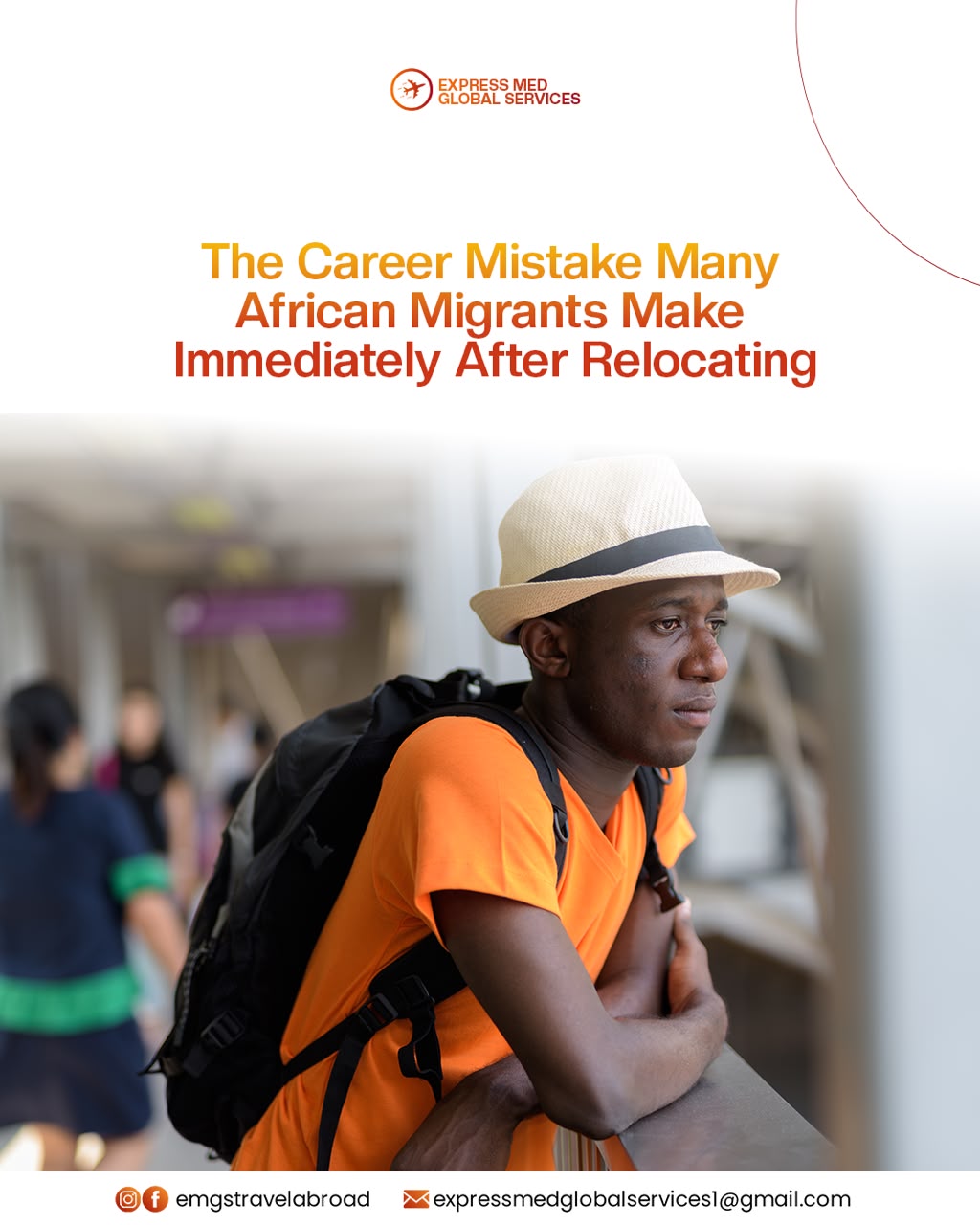
The Career Mistake Many African Migrants Make Immediately After Relocating
EMGS Team
9th jun, 2026
Many African migrants spend years planning their move abroad, only to stop actively planning their careers once they arrive. In the rush to settle, earn income, and support family back home, long-term professional growth often takes a back seat. This article explores why that happens, the hidden cost of prioritising stability over career development, and how migrants can avoid getting stuck in roles that no longer align with their goals.